Wednesday, April 5, 2023

THE END OF CITIZENSHIP: Why Subscription Services May Replace National Identity


Imagine a world where your identity is no longer tied to the country you were born in, but to the services you subscribe to.

Services like Google, Amazon, and Facebook already know more about us than some governments do. What if we start relying on them for more than just convenience?

 In this new world, our working affinity would be based on shared interests and skills, not on the platform we use or the country we're from.


Recent conflicts around the world have shown us that fighting for our country isn't always the answer. We should have the right to move away instead of staying to fight. Perhaps this is why a good part of Ukrainians now reside in Poland. War might not happen in the near future.

This global mindset means that we're not just limited to our own country anymore. We can work with people from all over the world, regardless of their nationality.

 With the help of technology, certain skills can be used cross-border without requiring much foreign language mastery. This means more people can focus on skill acquiring, rather than just relying on paper qualifications.

mobile translation device


 So, is citizenship becoming obsolete? It's hard to say for sure. But one thing's for certain: subscription services are changing the way we connect, work, and identify ourselves in this globalized world.


 However, the reliance on subscription services and global connections is not without its challenges, especially when it comes to factors like logistics and infrastructure.


If the freight forwarding network breaks down or the internet shuts down due to a war or other disruption, it could have serious implications for the global subscription economy. People may not be able to access the services they rely on, or they may face significant delays or disruptions in supply chains.


However, it's worth noting that in the event of a major global disruption like this, the subscription economy would likely be just one of many affected sectors. Governments, businesses, and individuals would all be impacted in different ways.


In such a scenario, people may need to rely more heavily on nearby resources and communities, and the importance of self-sufficiency and resourcefulness would likely increase. This could potentially lead to a resurgence of local economies and communities, as people look for ways to meet their needs in the absence of global infrastructure. Again, in this scenario, country identity might loose out to village identity, because the immediate reliance is on the village and its neighbors.


Overall, while the potential breakdown of infrastructure is a risk to the subscription economy, it's important to remember that no system is completely immune to disruption. In any scenario, adaptability, resilience, and a willingness to work together will be key to navigating the challenges that arise.


It's possible that easier access to visit visas for 90 days could lead to more nomadic lifestyles, with people moving between different locations and living in private homes. However, whether or not this leads to people paying taxes to different sources depends on a number of factors.

Firstly, it's worth noting that the rules around taxes for non-residents can vary depending on the country and the type of income earned. In some cases, non-residents may be exempt from certain types of taxes, while in other cases they may be subject to different rates or rules.


 That being said, if someone is living in multiple locations for an extended period of time and earning income in each location, they may indeed be required to pay taxes in each of those locations. This can be a complex process, as it require. This means there will be a demand from the subscription service to manage these.

We have seen Ali-express collecting Singapore GST and more from shoppers now .

Another factor to consider is the availability of housing and accommodation in different locations. While it's possible to move between different homes and locations, finding suitable and affordable housing in each location can be a challenge.

It's certainly possible that subscription services could play a role in handling visas and housing issues as the demand for more nomadic lifestyles increases. In fact, there are already some services that aim to make it easier for people to live and work in multiple locations, such as co-living and co-working spaces, and remote work job boards.


Subscription services could potentially take this a step further by providing a more comprehensive solution that includes visa and immigration assistance, housing options, and other resources for people living and working remotely.

However, it's worth noting that there are some complex legal and logistical challenges associated with immigration and residency issues. Different countries have different requirements and processes for obtaining visas and permits, and ensuring compliance with these rules can be a complex and time-consuming process.

Additionally, subscription services would need to navigate the complex landscape of international tax laws and regulations, as mentioned earlier.


Overall, while subscription services could potentially play a role in helping people navigate the logistics of living and working in multiple locations, there are significant challenges that would need to be addressed in order to do so effectively.

 Businessmen who lived before World War 2 commonly had a wife in the various countries they did business in thereby creating regional families. These men did this because in their era, men were not good in household work and cooking. 


It's difficult to predict with certainty whether a similar pattern of cross-border families would emerge in a future where subscription services play a greater role in facilitating nomadic lifestyles.

On one hand, subscription services could make it easier for people to live and work in multiple locations without the need for physical possessions or permanent residences. This could lead to more people living in temporary or shared housing arrangements, such as co-living spaces or short-term rentals, rather than owning multiple homes in different countries.

On the other hand, there may still be a desire for deeper connections and relationships in different locations, and some people may choose to form local families or partnerships in each place they live. However, it's important to note that this would likely be a personal choice rather than a necessity, as many people are able to maintain connections and relationships across borders without the need for multiple households.


Overall, while it's possible that some people may choose to form regional families in a future where subscription services enable more nomadic lifestyles, it's difficult to predict with certainty what patterns of living and working will emerge. The role of technology and globalization in shaping our social and cultural norms is complex and multifaceted, and will likely continue to evolve over time.


The formation of regional families, while it may challenge traditional notions of family and community, is unlikely to directly dissolve the notion of country. Countries are complex entities with deep historical, cultural, and political roots, and the existence of families that span multiple borders is not likely to fundamentally change the concept of national identity and sovereignty.

However, the emergence of more nomadic lifestyles and cross-border relationships could lead to new forms of social and cultural exchange that challenge traditional borders and boundaries. As people move and interact more freely across borders, they may develop new ways of thinking about identity and community that are less tied to national or geographic boundaries.


Over time, this could potentially lead to a more fluid and interconnected global society, where people feel a sense of belonging and connection to multiple communities and cultures, rather than just one. 

This is likely to be a gradual and complex process, and it's difficult to predict exactly how it will unfold.

Saturday, March 11, 2023

I am Misarable using HP mini


Previously , I wrote like I found cure for cancer having found an HP MINI and having it run on a light OS system called Linux Mint. I am miserable using the HP MINI and I cant even find my way to download LIBRECAD which dawned on me that maybe the HP MINI cant do LIBRECAD. 


 Over the years my mobile phone usage has caused me to develop laziness in typing things right. It is getting frustrating that my words are auto correct to mean something else. 

 Will I ever survive typing? So I got more lazy and resorted to use Chat GPT! To my horror, the Chat GPT website said my firefox was out of date because it can't handle the security features namely involving CAPTCHA. You can already imagine more problems ahead.
Fist time here I encounter Cloudsflare...what is that? 


Soooo, I had to turn on the terminal mode from Linux to upgrade fire fox. I don't really now what I am doing but it was moving and looks like progress. Following instruction from Linux website and Firefox.
Many hours later...... it is upgraded....a lot of text and still clueless.
I fired up everything and it still says my browser is not up to date. Then, I remember when I first started Linux Mint, it warned me there is no more support for this OS. So there, 

I got so sick for the latency when I typed on the Blogger online environment that I typed this all on LibreOffice Writer. So the limitation made me less online which was what I needed. In between the upgrade I also got many things done: 

 1. watch a korean tv show 
2. made salad 
3. had a tummy ache. 
4. developed allergy 
5. made a sandwich 
6. drank a lot of water 
7. wasted time watching YouTube shorts.

So you see, it is the same life style on 3 screens still.

Friday, March 3, 2023

Constructing the Perfect Burger using AI


image by Dall-e, Mid Journey Discord

Burgers have been a beloved American staple for decades, but it wasn't until a 1979 that they were introduced to Generation X in Singapore. This was due to Singapore's increasing Gross Domestic Product (GDP) index approximately SGD 27.6 billion in constant 1979 prices which allowed for the expansion of international cuisine in the city-state.

Now, burgers have become a ubiquitous food in Singapore, with countless burger joints popping up all over the island. However, there's nothing more frustrating than taking a big bite out of a juicy burger only to have the contents spill out all over your hands and clothes. Fear not, as we've compiled some tips on how to construct the perfect burger that won't fall apart while eating.

The first step in constructing the perfect burger is selecting the right bun. A sturdy, slightly toasted bun is essential in keeping the contents in place. A soft bun may be delicious, but it's more likely to become soggy and disintegrate when it comes into contact with the burger's juices. A slightly toasted bun provides a barrier that will help keep everything in place.

Next, consider the order of the ingredients. The base should be a layer of sauce or condiments, followed by the patty, cheese, and any other toppings. This ensures that the patty and cheese act as a barrier between the bun and the more delicate ingredients such as lettuce and tomato.

When it comes to the patty itself, make sure it's cooked to perfection. Overcooked or undercooked patties can crumble or fall apart, ruining the structural integrity of the burger. A good rule of thumb is to cook the patty until it's slightly pink in the center, which ensures it's cooked through but still juicy and flavorful.

Finally, don't forget to wrap the burger properly. Whether you're eating it on the go or sitting down to enjoy it at home, wrapping the burger in parchment or wax paper will help keep everything in place. It also prevents the bun from becoming soggy from the heat and moisture of the burger.

In conclusion, constructing the perfect burger is all about finding the right balance between the ingredients and their order. With the right bun, the perfect patty, and the proper wrapping, you can enjoy a burger that won't fall apart while eating. So, the next time you're craving a juicy burger, give these tips a try and enjoy the perfect burger experience


All research and text by ChatGPT

Friday, February 17, 2023

Using HP mini

I picked up a HP mini in the fleamarket as a garbaged electronic spare parts.
The hard drive was missing and wouldn't boot.
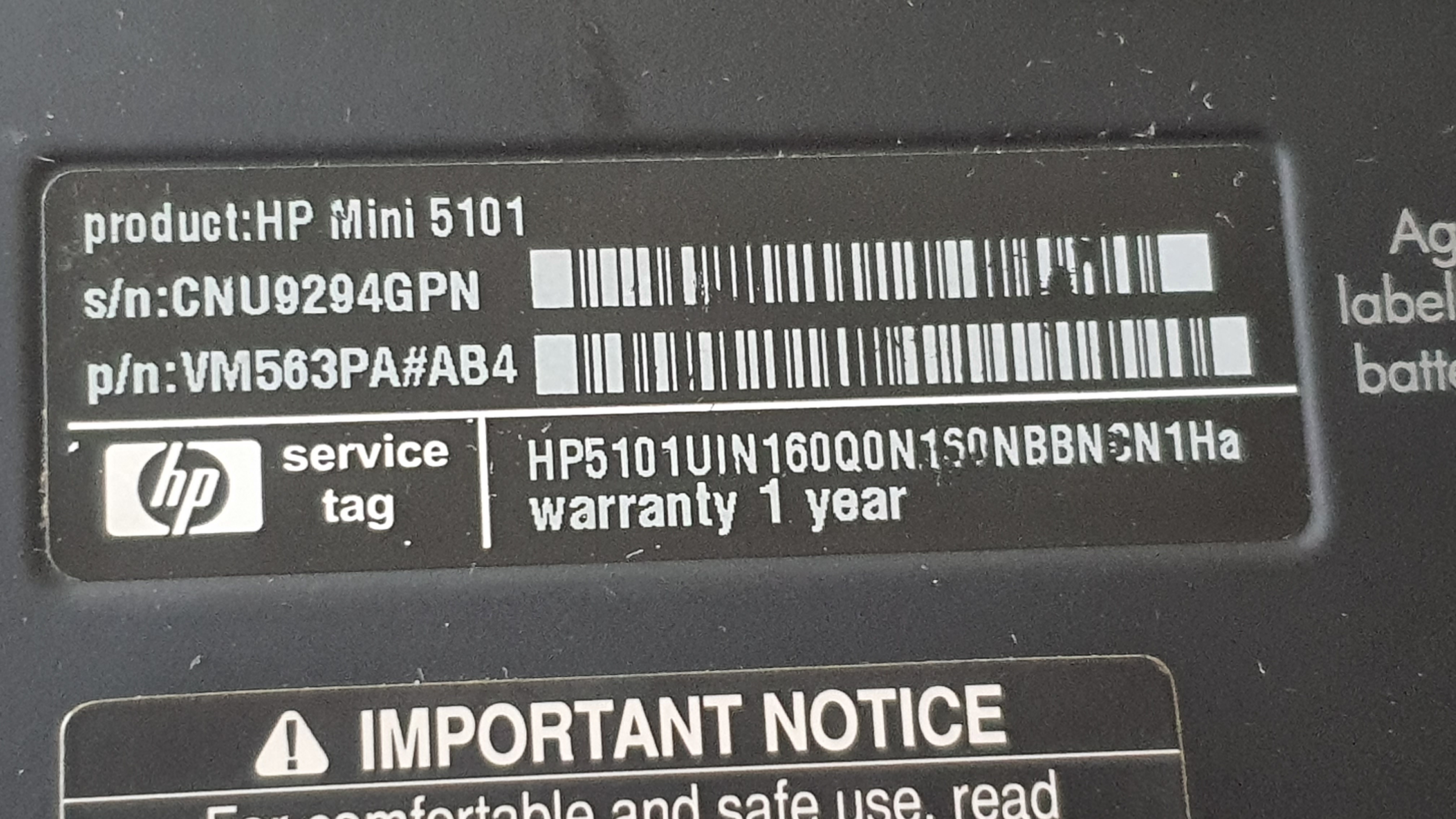
The underside of the computer had labels. It says the CPU is an Atom and origially runs on Windows XP. I was warned that Windows XP and 7 will not run if newly installed these days.  I got my vendor to add a new hardrive but he couldnt install Ubuntu 14.01 and was not very enthusiated what I wanted because he installed a 64bit version instead of 32.

 Upon checking Google, I found that the best OS to run was Linux MInt which was bare bone and written for less powerful CPUs. Using Rufus to make a USB boot drive I now boot the machine and installed Mint. 
The boot up was slow. The keyboard response is also not that prompt. There dont seem to be auto correction in the bloging software i use on line provided by google. Using blogger provided by google seems to be also bare bone which is less WYSIWYG (what you see is what you get) Loading webpage seems to be slow.
You will see HTML code together with my blog composition. This is the bare bone level the coputer is running on. I hope to do more things with this computer.

Thursday, February 9, 2023

DIE HARD DAISO

Many a times we claim we frequent Daiso too much. 

Well we have everything IKEA around us at one time and while the housing market became a foreigner things we stopped ikea-ating.

Meanwhile, Daiso recovered many times as a everything $2 retail franchise is still alive and kicking.


Out there somewhere is this Eunos resident Hwang (not his real name) who rides his bike everyday to Gardens by the Bay via East Coast Parkway. He say he gets stopped once he is too long on the road or enters the highway.

Armed with his biking t shirt and crocs slipper his bike is armoured with Daiso figurines. 
He said he bought these animals one by one and seldom as a whole lot because he didn't know conceptually how he wanted his decoration to look. 

Once he is clear about his intend, the stocks for the figurines would run out. He would contact his buddies if they could find the same animal at different outlets. Many a times, he is lucky the same product comes in again.

"I basically dont work." He stopped working 6 years ago and cycles to keep agile. "It is not worth travel to work by public transport and I told everyone but they jeer. Today people are complaining about transport fare increase and understood my intend."
Energy helmet, talisman protection, you can make it up as you go along! 

Examining his helmet which was dripping with sweat he willing decided to pose with his bike.

LIE FLAT !

Wednesday, February 8, 2023

A DAY WITH ISAAC

 You always know the day is positive with Isaac on anyway.


What is the secret ? Could it be the wanton lust of eating stuff?


Here is the prove:


first, dampen your anxiety with an Old Changkee Sesame Ball deep fried and all. Forget your health or possibility of cancer. Because any possibility means there is a future ! (think positive)


Then choose another fried vendor, to garner more future. NO need to obscure your whereabouts:

you can find them on facebook

https://m.facebook.com/hongkongegglet/?_rdr


or physically at 

1 HarbourFront Walk, Vivo City #B2-K09, Singapore,


no enough, check out google map

https://www.google.com/maps/place/VivoCity/@1.2644032,103.8200184,17z/data=!3m1!4b1!4m5!3m4!1s0x31da1958974bbc2b:0xba34578f519df13f!8m2!3d1.2644032!4d103.8222071?hl=en


see what useless stress you get when you google it. Waste time, keep it positive, get your ass over to the Northeast line , get to vivocity and just fucking walk in Basement 2.


not a colonoscopy diagram
 
look at that full set of lunch regime, guarantee to get a teochew person sick.
So be Cantonese my friend and drink water.
 
uninspired with Gaitita's foray with an ugly lawyer who happened to have a Chinese pop star name 
there are other surefire ways to check out women with better figures. Non other than Daiso....


if she is too young for you then she is a snow flake


Snowflakes comes with instructions too. You wont geddit, but there are instructions! I wonder if the designer of the product was taking  jab at the snowflake generation.


Following that you want to feel sticky


Gummy

Plastic blow up balloon !

artificial poo !!
 
all so into the fetish.
 
So there, this is positivity !!


Tuesday, January 31, 2023

LETS TRY AI CHAT


ALL A RAGE NOW IS AI CHAT BOTS USED LIKE A CONVERSATIONAL GOOGLE SEARCH. THIS WAS MY QUESTION:

My senior parents are very old. They want to live independently instead of being assisted all day which has a cost implication and a lack of privacy. What renovation changes should I make the house more workable for their use?

If your senior parents want to live independently in their own home, there are a number of modifications that can be made to improve safety, comfort, and accessibility. Here are some suggestions:

  1. Bathroom modifications: Installing grab bars, shower chairs, and non-slip flooring can help prevent slips and falls, and make bathing and using the toilet easier.

  2. Kitchen modifications: Installing pull-out shelves, raised dishwashers and ovens, and adjustable countertops can make cooking and preparing food easier for those with mobility or dexterity issues.

  3. Bedroom modifications: Installing a raised bed or adjustable bed, and providing ample space for a wheelchair or mobility aid can make it easier for your parents to move around their bedroom.

  4. Lighting: Adding additional lighting in key areas, such as the kitchen, bathroom, and bedroom, can help improve visibility and reduce the risk of falls.

  5. Doorway modifications: Installing wider doorways, threshold ramps, and lever-style door handles can make it easier for your parents to move around the house and access different rooms.

  6. Stair modifications: Installing a stair lift or adding handrails to stairs can help make it easier for your parents to navigate the house.

It's also important to consider your parents' specific needs and preferences, as well as any local building codes and regulations that may apply. A professional contractor or occupational therapist can help you identify the best modifications for your parents' home and provide recommendations and estimates for the work.


I ASKED THE SAME QUESTION THE SECOND TIME, THE REPLY HAD NEW IDEAS IDENTIFIED:


If your senior parents want to live independently, there are a number of renovations that can be made to the home to make it more workable for their use. Here are some suggestions:

  1. Bathroom modifications: Consider installing grab bars, a walk-in shower, and a raised toilet to improve safety and accessibility in the bathroom.

  2. Lighting: Make sure that the lighting in their home is bright and consistent, and consider installing additional lighting in key areas, such as the kitchen and bathroom.

  3. Kitchen modifications: Consider installing adjustable height countertops, a roll-under sink, and easy-to-reach cabinets to make the kitchen more accessible and user-friendly.

  4. Home automation: Consider installing home automation devices, such as automatic lights, smart locks, and temperature control systems, to help simplify daily tasks and increase safety.

  5. Doorways and hallways: Widen doorways and hallways to accommodate mobility aids, such as walkers and wheelchairs, if necessary.

  6. Flooring: Consider installing non-slip flooring, such as carpet or rubber matting, to reduce the risk of slips and falls.

  7. Stairlifts: If your parents' home has multiple levels, consider installing a stairlift to help them access all parts of the home more easily.

It's also important to talk with your parents' doctor and an occupational therapist to get additional recommendations and advice on how to make their home more workable for their use. With the right modifications, your parents can continue to live independently and maintain their quality of life.


I ASKED MIRE INDEPTED QUESTIONS:

If I move all their activities (sleeping, bathing, eating, cooking) to ground level, what activities should I have upstairs

If you move all of your senior parents' activities to the ground level, you may consider using the upper level of the house for the following purposes:

  1. Guest room: Use the upper level as a guest room for visitors who come to stay.

  2. Home office: If one or both of your parents work from home, consider converting the upper level into a home office space.

  3. Hobby room: If your parents enjoy hobbies such as painting, sewing, or reading, consider using the upper level as a dedicated hobby room.

  4. Storage: If your parents have items they need to store but don't use often, consider using the upper level as a storage area.

  5. Exercise room: Consider using the upper level as a space for exercise equipment or a yoga studio.

  6. Library: If your parents are avid readers, consider converting the upper level into a library or reading room.

Remember, the upper level of the house should be used for activities that your parents can access easily, either by stairs or a lift, and that will not pose a safety risk for them. Before making any changes to the house, it is important to talk with your parents and their doctor to ensure that the new arrangement will work for their needs and abilities

I INTRODUCED DEMNTIA AS PART OF THE SCENARIO:


Clement TehWhat changes in the house should I make should my parent develop dementia?

If your parent develops dementia, you may need to make some changes to the home to ensure their safety and comfort. Here are some recommendations:

  1. Remove tripping hazards: Remove any rugs or electrical cords that could cause tripping and ensure that furniture is securely in place.

  2. Install grab bars: Consider installing grab bars in the bathroom and other areas to provide support and stability.

  3. Use contrasting colors: Use contrasting colors on flooring, walls, and furniture to help your parent distinguish between objects and spaces.

  4. Label doors and rooms: Label doors and rooms clearly to help your parent orient themselves and avoid confusion.

  5. Remove sharp or dangerous items: Remove sharp or dangerous items such as kitchen knives, cleaning supplies, and medicines from areas where your parent may accidentally come into contact with them.

  6. Use memory aids: Consider using memory aids such as signs, photos, and reminders to help your parent remember important information.

  7. Maintain a familiar routine: Maintain a familiar routine as much as possible to reduce confusion and anxiety.

  8. Encourage exercise: Encourage your parent to participate in regular physical activity, which has been shown to improve memory and cognitive function.

It is important to keep in mind that everyone's experience with dementia is unique, and the specific changes you make to the home will depend on your parent's individual needs and abilities. Consult with their doctor and a specialist in dementia care to determine the best approach for your situation.

I THEN ASKED ABOUT DEMENTIA AND SCHRIZOPRENTIA AND AI HANGS


Further message warn that there is a high traffic usage encountered.


Much later I opened a new chat and simplified my question not related to senior independant living, did I get some semblance of an answer:

What diet prevent dementia and schizophrenia

There is no specific diet that has been proven to prevent dementia or schizophrenia. However, a healthy diet that is balanced and contains a variety of nutrients has been shown to have a positive impact on brain health and cognitive function. This includes eating a diet rich in fruits, vegetables, whole grains, and lean protein, and avoiding processed and junk foods. Additionally, maintaining a healthy weight, not smoking, and limiting alcohol intake may also have a beneficial impact on brain health.

ON ANOTHER OCCASION , I ASK MORE ARCHITECTURAL QUESTIONS: 


Explain How has residential home layout been changed or influenced or adjusted by covid


The COVID-19 pandemic has had a significant impact on residential home design and layout. As a result of the pandemic, many people have been spending more time at home and therefore have had to adjust their living spaces to accommodate their new daily routines. Here are some of the ways that COVID-19 has influenced residential home layout:


Home offices: With more people working from home, there has been a growing demand for dedicated home office spaces.


Open-plan living: Open-plan living spaces have become increasingly popular as people look to create a flexible, multi-functional environment that can accommodate work, leisure, and family activities.


Outdoor spaces: With many people spending more time at home, outdoor spaces such as balconies, patios, and gardens have become more important, as they provide a place to relax and escape the confines of the home.


Increased storage: The need for additional storage has also increased, as people look to make the most of their limited living spaces and keep their homes clutter-free.


Focus on comfort: With people spending more time at home, comfort has become a top priority, with many homeowners investing in comfortable furnishings and materials, such as plush carpeting, ergonomic chairs, and soft lighting.


Overall, the COVID-19 pandemic has had a significant impact on the way that residential homes are designed and laid out, as people look to create spaces that meet their evolving needs and reflect their new way of life

I ASKED THE SAME QUESTION THE 3RD TIME AND GOT MORE ANSWERS !

The COVID-19 pandemic has had a significant impact on the way people live in their homes, leading to changes in the layout and design of residential homes. Here are some of the ways that residential home layouts have been influenced by COVID-19:


Home offices: With many people working from home due to the pandemic, there has been a growing demand for dedicated home office spaces. This has led to an increase in the number of homes with dedicated office spaces, and many homeowners are converting spare rooms, basements, and garages into home offices.


Outdoor spaces: With people spending more time at home, there has been a growing interest in outdoor living spaces, such as patios, decks, and gardens. Many homeowners are investing in outdoor upgrades to create more livable outdoor spaces that can be used for entertaining, relaxing, and working.


Open floor plans: Open floor plans, which allow for more flexible and multi-functional spaces, have become increasingly popular, as people seek spaces that can be used for multiple purposes.


Improved home kitchens: The pandemic has also led to a focus on home kitchens, with many people looking for ways to improve their cooking and dining spaces. This has resulted in an increase in the number of homes with high-end kitchens and large dining tables, as well as more compact kitchen solutions for smaller spaces.


Home gyms: With gyms and fitness centers closed or operating at reduced capacity, many people have started to set up home gyms. This has led to an increase in demand for homes with dedicated workout spaces, or spaces that can be easily converted into a home gym.


Overall, the COVID-19 pandemic has led to changes in the layout and design of residential homes, as people seek spaces that are more functional, comfortable, and accommodating for their new way of life.

NOT ONLY THAT, I COULD INFLUENCE THE ANSWERS BY ASKING ANOTHER LAYER OF QUESTIONS RELATED TO THE PREVIOUS ONE. AI NOW BULLSHITS HARDER FOR ME:


What about attached bathrooms and quarantine room, do we need entrance changing rooms and shower or foot wash before entering homes ? What about air filters? What about safety in receiving package and  food delivery?


Yes, there has been an increased focus on hygiene and safety in homes due to the COVID-19 pandemic, which has led to changes in the design and layout of residential homes.


Attached Bathrooms: There has been an increase in demand for homes with attached bathrooms, which allows for more privacy and improved hygiene.


Quarantine Rooms: Some homeowners are creating designated quarantine rooms within their homes to isolate individuals who may have been exposed to COVID-19.


Entrance changing rooms and showers: Some homeowners are adding entrance changing rooms and showers to their homes to allow for easy decontamination after returning from outside.


Foot wash: Foot wash stations have become more common in homes, particularly for those who spend a lot of time outdoors.


Air filters: There has been an increased interest in air filtration systems for homes, as people look for ways to improve indoor air quality and reduce the spread of airborne viruses.


Safety in receiving packages and food delivery: Many homeowners are taking steps to ensure the safety of food and package deliveries, such as installing outdoor storage areas, using contactless delivery options, and sanitizing packages before bringing them inside.


Overall, these changes in the layout and design of residential homes reflect a growing focus on hygiene and safety in response to the COVID-19 pandemic

IF YOU THINK USING OPENAI CHAGPT IS DANGEROUS, THEN YOU NEED TO UNDERSTAND THE OUTCOME CAN BE EASILY MANIPULATED FROM REPEATED BELIEVES OF OTHER SCOURCES. JUST AS CERTAIN COUNTRIES DERIVED HIGHER COVID CASES BECAUSE THEY SPEND MORE TIME DETECTING, NATIRALLY MORE CASES WOULD BE IDENTIFIED. ASKING QUESTIONS THAT LEAD AI TO THINK OTHERWISE WILL SWAY THEIR INITIAL ANSWERS.


Israeli Household Shelters

I got curious how did the household shelters held up in Rel Aviv after Iran missed them. The curtain wall facades all fell and t...